


If you’re evaluating earned wage access providers for a mid-market company, most of what you’ll see looks the same.
Clean demos. Big promises around retention. A lot of talk about financial wellness.
What you won’t see until it’s too late is how the product actually behaves inside your payroll operation.
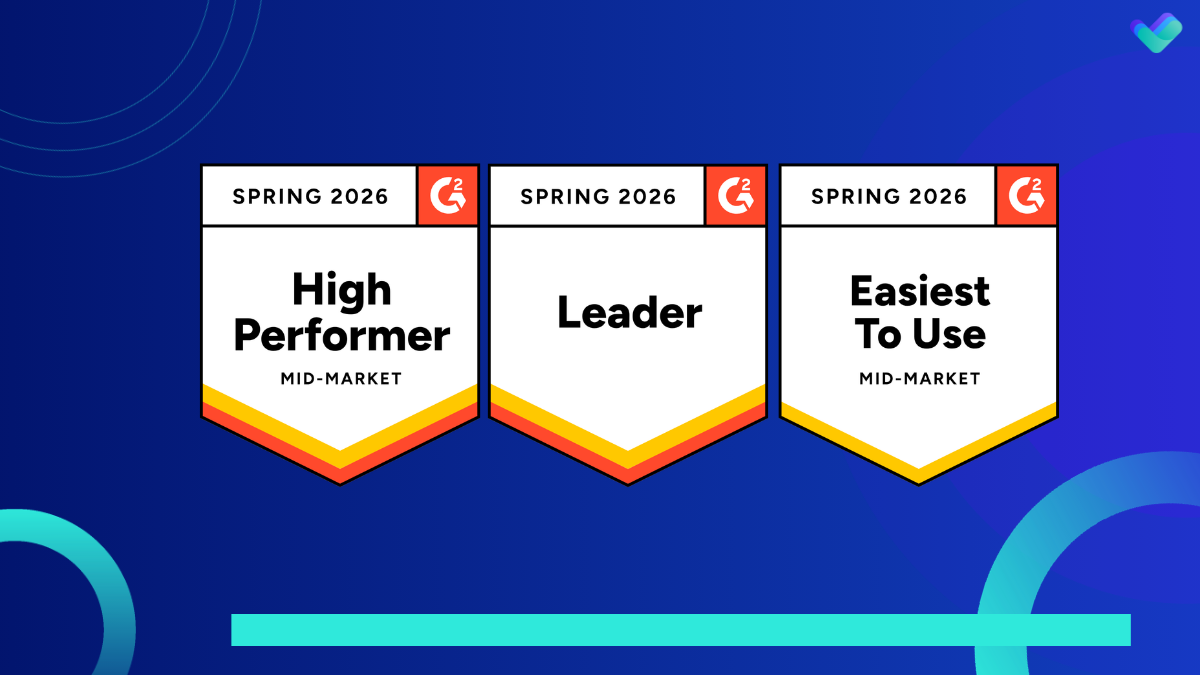
This spring, Tapcheck was named a Leader in earned wage access software by G2, earning 11 badges and sweeping the mid-market category.
That includes Easiest to Use, Easiest Setup, Easiest Admin, Best Meets Requirements, and Most Likely to Recommend.
Those categories matter more than they sound like they should.
Because they measure what happens after the contract is signed.
Where Mid-Market Teams Get Burned on EWA
Many employers evaluate earned wage access based on outcomes. Lower turnover. Better recruiting. Stronger employee sentiment. Which are all critical success drivers.
But the operational cost is often underestimated.
Most EWA platforms are designed for enterprise environments. That shows up quickly with:
- Implementation timelines that stretch
- Payroll workflows that need adjustment
- Ongoing admin work that lands on HR
- Employee adoption that requires effort
If you’re running a lean HR and payroll function across a few hundred employees, that friction slows adoption. And when adoption slows, the value never materializes.
What the G2 Rankings Signal
G2 rankings are based on feedback from HR and payroll leaders using these systems day to day.
The “Easiest” badges are not about surface-level UX. They reflect whether:
- Payroll had to change processes
- HR had to manage support issues post-launch
- Employees understood the product without training
- The system fit into existing infrastructure
That’s the difference between a benefit that looks good in a pitch and one that holds up under pressure.
Why Tapcheck Wins in the Mid-Market Segment
Tapcheck didn’t start with enterprise assumptions and try to scale down.
It was built for teams that don’t have time for a six-month implementation or another system to babysit.
The product reflects that:
- 300+ payroll and timekeeping integrations
- No disruption to existing payroll cycles
- Payroll deduction model that simplifies reconciliation
- Weekly reconciliation that takes minutes, not hours
That last point sounds small. It isn’t.
If your payroll team has to think about this every week, it becomes a problem. If they don’t, it becomes invisible. Invisible is what you want.
What Employers Are Saying
Feedback from mid-market customers consistently centers on what didn’t happen during and after implementation. Teams report no complex rollout, no surge in employee questions, and no additional burden placed on payroll. Instead, the system integrates cleanly and runs without requiring constant oversight.
One G2 reviewer described Tapcheck as "easy to integrate with our payroll system" and affordable "considering the benefits of using it as a recruitment and retention perk."
Another noted the value of the automation: from new hire onboarding emails to payroll deduction reconciliation, to the employer portal and available marketing materials.
The Reality of Earned Wage Access ROI
Earned wage access has the potential to deliver meaningful results, including stronger employee loyalty and measurable reductions in turnover. However, those outcomes are not guaranteed. They depend on whether employees adopt and consistently use the benefit.
Adoption, in turn, is driven by simplicity. If the product introduces friction for HR, payroll, or employees, usage declines and the expected impact never materializes. The value of EWA is not just in offering it, but in ensuring it is easy enough to become part of the everyday employee experience.
How to Evaluate Earned Wage Access Providers
Comparing features alone will not provide a clear answer, as most earned wage access platforms present similar capabilities on the surface. A more effective evaluation focuses on how the product performs within your existing environment. That includes implementation time, the level of disruption to payroll processes, the ongoing administrative effort required, and feedback from companies of similar size and structure.
Reviews on G2 can provide useful insight into day-to-day performance. From there, the most important step is to assess how the platform fits into your current payroll workflow and whether it can operate without adding complexity.


.png)


